 Adults
Dr. Ashley Carroll-Brown, PhD, Psychologist
Owner
Compassionate care for trauma, pregnancy, postpartum, and meaningful change.
Anxiety · Pregnancy & Postpartum · Trauma · Depression
Questions People Ask First
Every new parent is tired. But if the heaviness is not lifting, it may be more than lack of sleep, and you deserve to know the difference.
Book Free Consultation
Guiding Growth.
Restoring Hope.
01
Many new mothers feel weepy, overwhelmed, and emotionally raw in the first two weeks after birth. These baby blues usually ease on their own as hormones settle and you find a rhythm.
02
Postpartum depression lasts longer and runs deeper. Signs include sadness or emptiness most of the day, losing interest in things you used to enjoy, feeling disconnected from your baby, intense guilt or feeling like a bad mother, trouble sleeping even when the baby sleeps, and thoughts that your family would be better off without you.
It can begin any time in the first year, not only in the first weeks. Postpartum anxiety, with racing thoughts and constant dread, is just as common and often shows up alongside it.
03
Ask yourself: if I could get a full night of sleep, would I feel like myself? If the answer is yes, you may be depleted. If the answer is no, or you are not sure, talk to someone. You do not need to be certain before reaching out.
04
Dr. Ashley Carroll-Brown and Mallori Thompson both focus on pregnancy and postpartum mental health, and online sessions mean you can meet from home without arranging childcare.
Postpartum Support International runs a free HelpLine at 1-800-944-4773. Guiding Hope provides scheduled outpatient therapy and is not a crisis service. If you are in immediate danger, call 911. If you are in crisis or thinking about suicide, call or text 988 to reach the Suicide and Crisis Lifeline at any hour.
Meet the Team
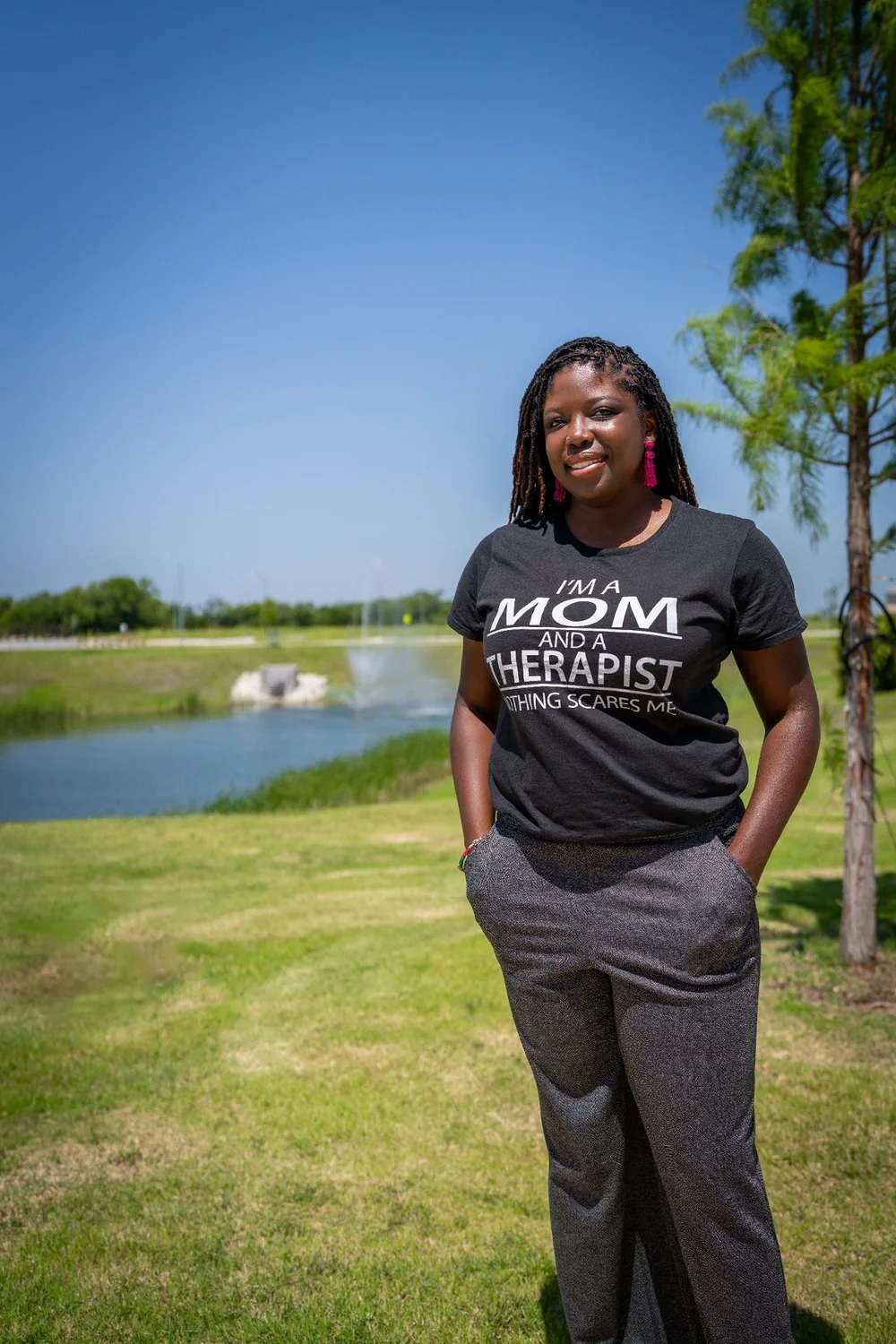
AdultsOwner
Compassionate care for trauma, pregnancy, postpartum, and meaningful change.
Anxiety · Pregnancy & Postpartum · Trauma · Depression
 Adults
Support for the pressure beneath achievement and the transitions of motherhood.
Pregnancy & Postpartum · High Functioning Anxiety · High-Achieving African American Women · Grief & Loss · Trauma · Depression
Practicing under the supervision of Dr. Desiree L. Stephens, LPC-S.
Common Questions
Exhaustion can be part of new motherhood, but persistent sadness, loss of interest, intense guilt, or feeling disconnected may point to postpartum depression. You do not need to be certain before reaching out for support.
Guiding Hope is in network with Aetna, Blue Cross Blue Shield, and UnitedHealthcare. Coverage varies by plan, and superbills are available for out-of-network reimbursement.
You share a little about what is bringing you in, ask any practical questions, and talk through which clinician may fit. It is a conversation, not a commitment.
Please call 911 if you are in immediate danger, or call or text 988 for the Suicide and Crisis Lifeline. Guiding Hope offers scheduled outpatient therapy and is not an emergency service.
A free consultation can help you ask questions, share what you are looking for, and consider whether one of our clinicians feels like a fit.
Book Free Consultation