 Adults
Dr. Ashley Carroll-Brown, PhD, Psychologist
Owner
Compassionate care for trauma, pregnancy, postpartum, and meaningful change.
Anxiety · Pregnancy & Postpartum · Trauma · Depression
What We Treat
Sometimes it's obvious that your past is affecting you.
Book Free Consultation
Guiding Growth.
Restoring Hope.
01
Sometimes it's obvious that your past is affecting you.
A smell, sound, conversation, place, or seemingly ordinary experience suddenly brings you back to something you'd rather forget. Your heart races. Your body tenses. You feel overwhelmed, angry, frozen, or desperate to get away.
Other times, trauma is much quieter.
Maybe you struggle to trust people, even when they've given you no reason not to.
You keep emotional walls up because vulnerability doesn't feel safe.
You avoid conflict at all costs, or find yourself becoming intensely reactive when you feel threatened, rejected, or misunderstood.
You may wonder:
"Why am I still affected by something that happened so long ago?"
"Why can't I just move on?"
"Why do I always expect something bad to happen?"
"Why do I react so strongly to certain things?"
You may also experience:
Unwanted or distressing memories
Nightmares or difficulty sleeping
Feeling constantly alert or on edge
Avoiding reminders of what happened
Feeling emotionally numb or disconnected
Difficulty trusting others
Irritability or anger
Guilt or shame about the past
Difficulty concentrating
Feeling unsafe even when you know you're safe
Strong emotional or physical reactions to reminders
Feeling detached from yourself or others
If you've been organizing your life around avoiding the past, trauma may still be taking up more space than you realize.
02
Trauma is not defined solely by what happened.
It's also about how your mind and body experienced what happened.
Trauma can result from experiences such as abuse, violence, accidents, medical emergencies, difficult childhood experiences, sexual assault, pregnancy or birth complications, sudden loss, or other situations that left you feeling unsafe, helpless, or overwhelmed.
After a traumatic experience, your brain's survival system may remain highly sensitive to potential danger.
That's why you can logically know you're safe while your body reacts as though you're not.
For some people, these reactions gradually decrease. For others, they continue and may develop into Post-Traumatic Stress Disorder (PTSD).
PTSD can involve intrusive memories, avoidance, changes in mood or beliefs, and increased alertness or reactivity following exposure to trauma.
Not everyone who experiences trauma develops PTSD, and you don't need a PTSD diagnosis for your experiences to deserve attention and care.
03
When people hear the word trauma, they often imagine a single catastrophic event.
But trauma can also develop through repeated experiences.
Perhaps you grew up in a home where you never knew which version of a parent you were going to encounter.
Maybe you experienced years of emotional abuse, neglect, bullying, domestic violence, or unstable relationships.
There may not be one specific memory you can identify as "the trauma." Instead, you learned over time that relationships weren't safe, your needs weren't important, or you always needed to stay alert.
These experiences can influence the way you view yourself and your relationships well into adulthood.
You may have learned survival strategies that once protected you but are now interfering with the life you want.
Therapy can help you understand those patterns without blaming yourself for developing them.
04
Trauma doesn't always show up as flashbacks.
Sometimes it looks like perfectionism.
People pleasing.
Difficulty saying no.
Constantly anticipating other people's moods.
Avoiding conflict.
Needing to control situations because uncertainty feels unsafe.
Or pushing people away before they have the opportunity to hurt you.
You may notice trauma affecting your romantic relationships, friendships, parenting, work, self-esteem, or ability to relax.
Even when life is going well, part of you may still be waiting for something bad to happen.
This is one of the most frustrating parts of trauma: your life may have moved forward while your nervous system hasn't fully received the message that the danger has passed.
Treatment can help change that.
05
At Guiding Hope Counseling and Consulting, our work with trauma is grounded in evidence-based and trauma-informed care. Cognitive Behavioral Therapy (CBT) and trauma-focused cognitive approaches have strong research support for helping people recover from trauma-related symptoms and PTSD.
Trauma can change the beliefs you develop about yourself, other people, and the world.
You might begin believing:
"I should have done something differently."
"I can't trust anyone."
"I'm not safe."
"What happened was my fault."
"If I let my guard down, something bad will happen."
These beliefs can become so deeply ingrained that they begin to feel like facts.
Through therapy, we'll gently explore how your experiences have influenced these beliefs and help you develop healthier, more balanced perspectives.
Depending on your needs, therapy may also focus on reducing avoidance, managing trauma reminders, strengthening coping skills, improving emotional regulation, and rebuilding a sense of safety and control.
The goal isn't to erase what happened. It's to help the memory become something that happened to you rather than something you're still living inside.
06
One of the biggest fears people have about trauma therapy is:
"Are you going to make me tell you everything that happened?"
Trauma therapy shouldn't feel like you're being forced to relive your experience before you're ready.
Our first priority is helping you feel safe and supported in the therapeutic relationship. Depending on your needs, we may begin by helping you understand trauma responses, develop coping strategies, recognize triggers, and build emotional regulation skills.
If processing specific traumatic experiences becomes part of your treatment, we'll approach that work collaboratively and intentionally.
You remain an active participant in your treatment.
Healing doesn't require rushing.
Meet the Team
Explore the clinicians whose confirmed focus areas align with this page. A consultation can help clarify fit and availability.
AdultsOwner
Compassionate care for trauma, pregnancy, postpartum, and meaningful change.
Anxiety · Pregnancy & Postpartum · Trauma · Depression
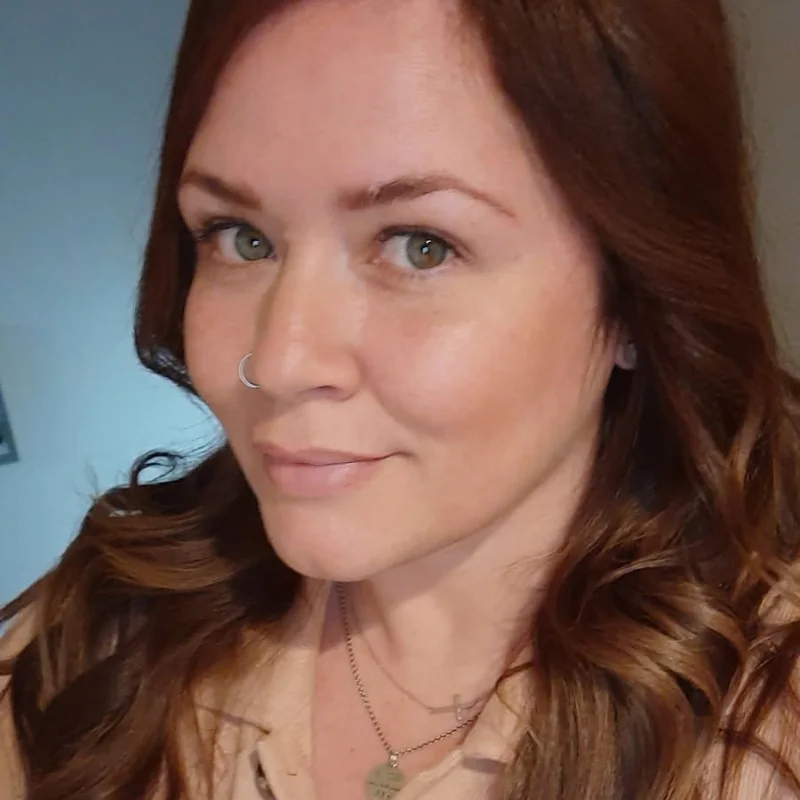 Teens & Adults
A grounded space for healing from trauma, abuse, anxiety, and depression.
Trauma · Abuse · Anxiety · Depression · Women's Healing · Grief & Loss · Relationships
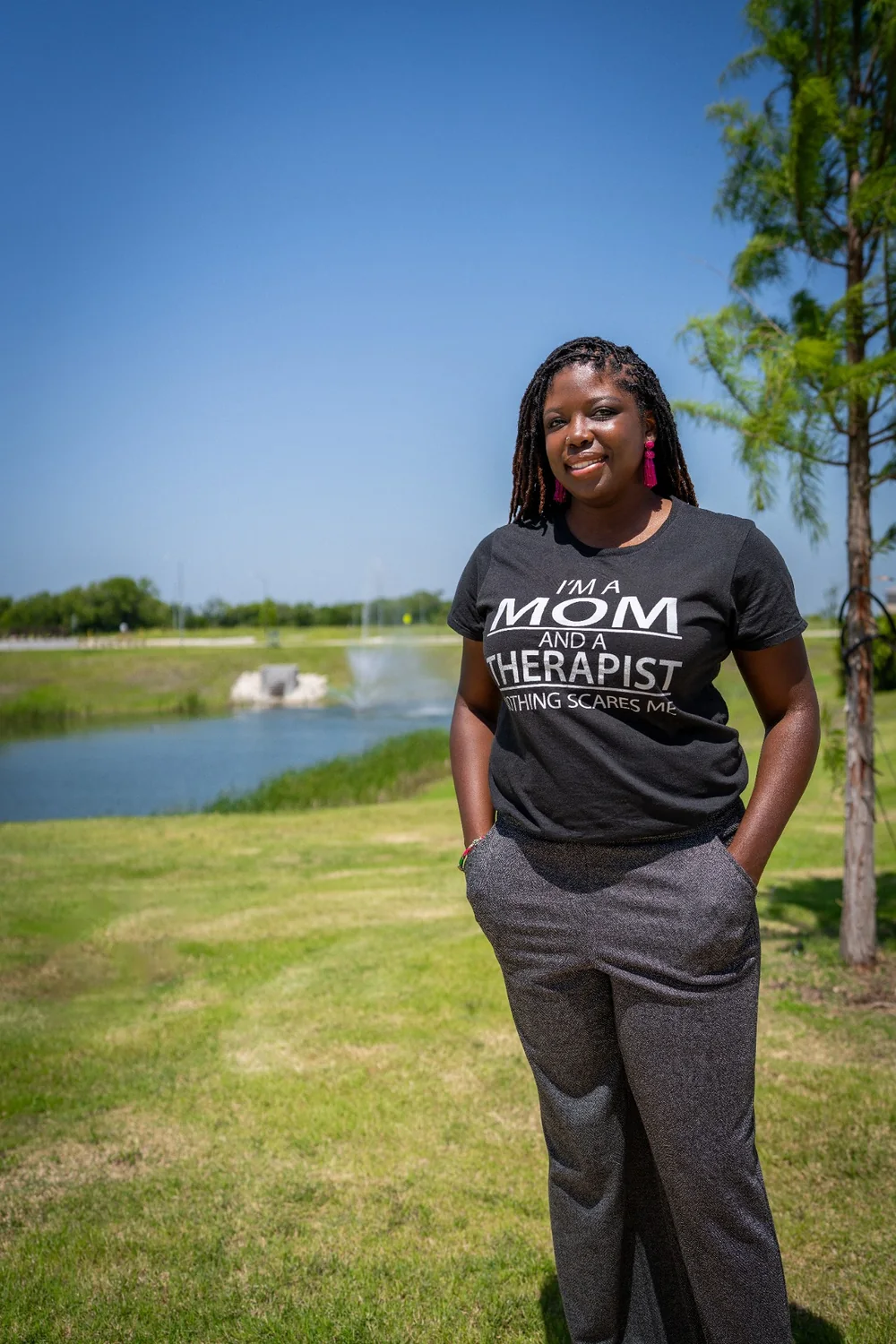 Adults
Support for the pressure beneath achievement and the transitions of motherhood.
Pregnancy & Postpartum · High Functioning Anxiety · High-Achieving African American Women · Grief & Loss · Trauma · Depression
Practicing under the supervision of Dr. Desiree L. Stephens, LPC-S.
 Teens & Adults
Affirming, accessible therapy in spoken English and fluent ASL.
LGBTQIA+ · Neurodivergent · Anxiety · ASL · Deaf & Hard of Hearing · Trauma · Depression · Relationships
Daytime, evening, and weekend availability
Practicing under the supervision of Dr. Bernadette H. Solórzano, PsyD, LPC-S.
Common Questions
A free consultation can help you ask questions, share what you are looking for, and consider whether one of our clinicians feels like a fit.
Book Free Consultation