 Adults
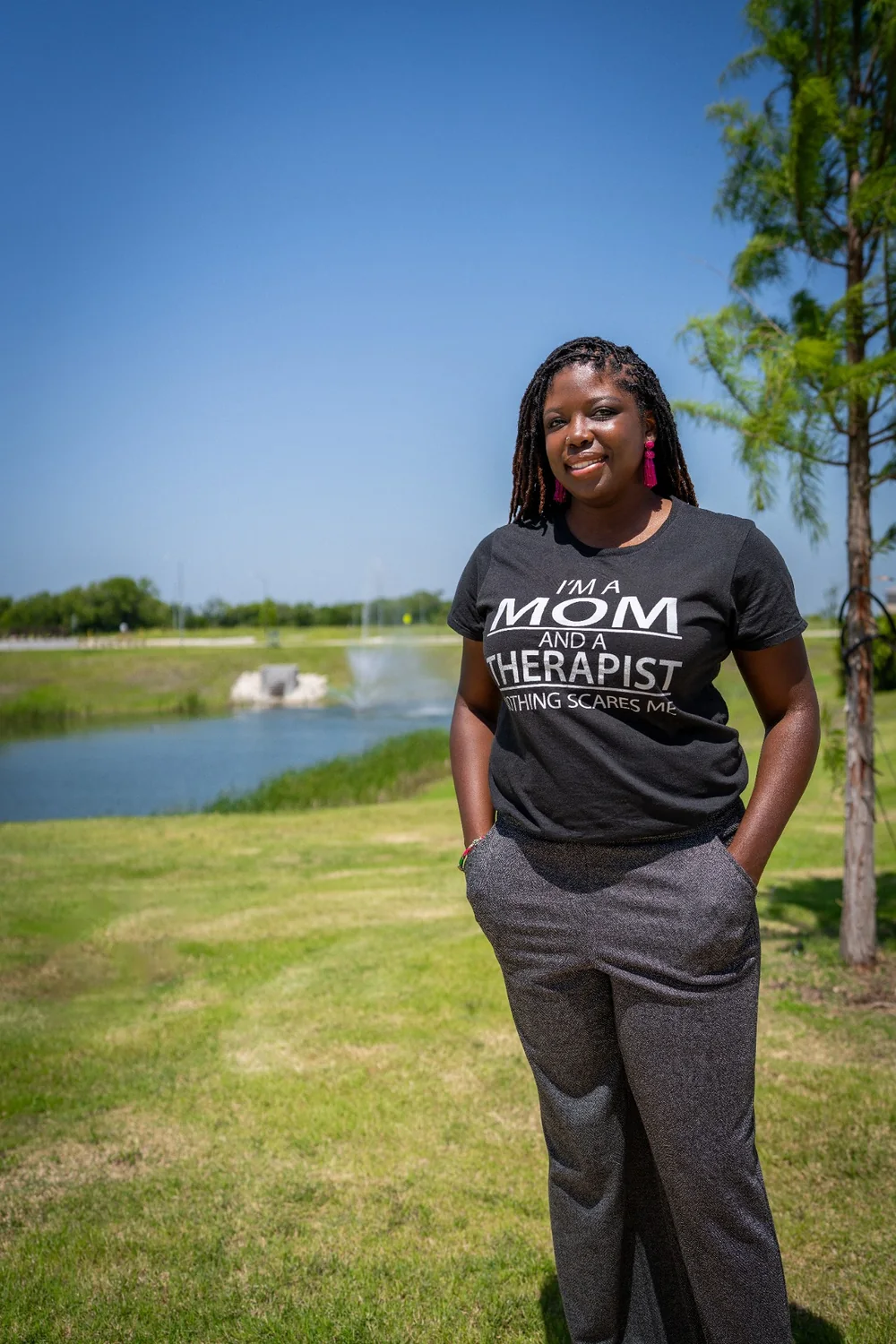
Dr. Ashley Carroll-Brown, PhD, Psychologist
Owner
Compassionate care for trauma, pregnancy, postpartum, and meaningful change.
Anxiety · Pregnancy & Postpartum · Trauma · Depression
Perinatal Mental Health
You find yourself constantly checking pregnancy apps, searching symptoms online, or calling your doctor for reassurance.
Book Free Consultation
Guiding Growth.
Restoring Hope.
01
You find yourself constantly checking pregnancy apps, searching symptoms online, or calling your doctor for reassurance.
You worry that every cramp, ache, or change means something is wrong. You struggle to relax because your mind immediately jumps to the worst-case scenario.
Maybe you've experienced a previous miscarriage, infertility, pregnancy complications, or traumatic birth that makes it difficult to trust your body this time around. Or perhaps this is your first pregnancy, and the unknown feels overwhelming.
You may notice yourself thinking:
"What if something happens to my baby?"
"Am I doing everything right?"
"What if I'm not ready to be a mom?"
"What if something goes wrong during labor?"
You may also experience:
Constant worry that's difficult to control
Trouble sleeping because your mind won't slow down
Feeling restless or on edge
Racing thoughts
Difficulty concentrating
Physical tension or headaches
Increased irritability
Feeling guilty for not enjoying your pregnancy
If this sounds familiar, you're not alone.
Research suggests that anxiety during pregnancy affects up to 1 in 5 women. Yet many expectant mothers suffer silently because they believe they're supposed to feel grateful instead of scared.
02
Pregnancy brings enormous physical, hormonal, and emotional changes. While some level of worry is completely normal, anxiety becomes a concern when it begins interfering with your daily life, relationships, sleep, or ability to enjoy your pregnancy.
Pregnancy anxiety isn't caused by being "too emotional" or "overreacting."
It's influenced by many factors, including hormonal changes, previous mental health concerns, stressful life events, past pregnancy experiences, perfectionism, trauma, and uncertainty about the future. Your brain is trying to protect you, but sometimes that protective instinct becomes overactive, making it difficult to distinguish between realistic concerns and anxiety-driven fears.
The encouraging news is that pregnancy anxiety responds very well to therapy. Research consistently supports Cognitive Behavioral Therapy (CBT) as one of the most effective treatments for reducing anxiety during pregnancy while helping women feel more confident and emotionally prepared for childbirth and motherhood.
03
Anxiety has a way of stealing the joy from moments you hoped to cherish.
Instead of feeling excited about your growing baby, you may find yourself constantly worrying about what could go wrong.
You may avoid preparing the nursery because it feels "too soon." You might struggle to bond with your pregnancy because fear keeps getting in the way. Some women become consumed by researching every possible complication, while others begin avoiding conversations about birth altogether.
Pregnancy anxiety can also affect your relationships. You may become more irritable, seek frequent reassurance from your partner or loved ones, or feel misunderstood by people who tell you to "just relax."
When anxiety becomes overwhelming, it can make pregnancy feel like something to survive instead of something to experience. You deserve better than that.
04
At Guiding Hope Counseling and Consulting, Cognitive Behavioral Therapy (CBT) is one of our primary approaches because extensive research has shown it to be highly effective for treating anxiety during pregnancy.
CBT helps you understand the connection between your thoughts, emotions, and behaviors.
Pregnancy anxiety often sounds like:
"If I stop worrying, I'll miss something important."
"Every symptom means something is wrong."
"I have to prepare for every possible outcome."
"If I'm anxious, something bad is going to happen."
Although these thoughts feel convincing, they often increase anxiety instead of providing reassurance. Together, we'll learn how to identify these patterns, challenge anxious thinking, and develop healthier ways of responding to uncertainty.
You'll also learn practical tools to:
Calm racing thoughts
Reduce excessive worry
Manage physical symptoms of anxiety
Build confidence in your body's abilities
Prepare emotionally for labor and motherhood
Stay present during your pregnancy
Our goal isn't to eliminate every worry, because some concern is a normal part of becoming a parent. Our goal is to help anxiety stop overshadowing this important season of your life.
05
Pregnancy is a season of tremendous change, and every woman's experience is unique.
Whether you're navigating your first pregnancy, pregnancy after loss, fertility challenges, a high-risk pregnancy, or simply adjusting to the emotional changes that come with becoming a mother, we're here to support you.
Our therapists provide compassionate, evidence-based care in a safe space where you can openly discuss your fears without judgment. Together, we'll help you develop practical coping strategies, strengthen your confidence, and prepare emotionally for one of life's biggest transitions.
You deserve to feel supported, not just physically throughout your pregnancy, but emotionally too.
Meet the Team
Explore the clinicians whose confirmed focus areas align with this page. A consultation can help clarify fit and availability.
AdultsOwner
Compassionate care for trauma, pregnancy, postpartum, and meaningful change.
Anxiety · Pregnancy & Postpartum · Trauma · Depression
 Adults
Support for the pressure beneath achievement and the transitions of motherhood.
Pregnancy & Postpartum · High Functioning Anxiety · High-Achieving African American Women · Grief & Loss · Trauma · Depression
Practicing under the supervision of Dr. Desiree L. Stephens, LPC-S.
Common Questions
A free consultation can help you ask questions, share what you are looking for, and consider whether one of our clinicians feels like a fit.
Book Free Consultation