 Teens & Adults
Odette Gonzalez, LCSW
A grounded space for healing from trauma, abuse, anxiety, and depression.
Trauma · Abuse · Anxiety · Depression · Women's Healing · Grief & Loss · Relationships

What We Treat
Not everyone with depression struggles to get out of bed. Some people continue achieving, producing, and caring for everyone around them while quietly battling overwhelming emotional pain. This is often referred to as high-functioning depression.
Book Free Consultation
Guiding Growth.
Restoring Hope.
01
Not everyone with depression struggles to get out of bed. Some people continue achieving, producing, and caring for everyone around them while quietly battling overwhelming emotional pain. This is often referred to as high-functioning depression.
You may continue succeeding professionally while feeling empty inside.
You may be the friend everyone relies on while secretly feeling alone.
You may appear motivated to others while internally questioning your worth.
Many high achievers become experts at hiding their pain because they fear disappointing others or appearing weak. Eventually, though, carrying that emotional weight becomes exhausting.
You deserve support long before you reach your breaking point.
02
Depression rarely stays confined to one area of life. It can make simple decisions feel overwhelming. It may become harder to concentrate at work or school, stay engaged in conversations, or enjoy time with your family. You may notice yourself withdrawing from loved ones because explaining how you're feeling seems impossible, or because you simply don't have the energy.
Parents often tell us they feel guilty because they're physically present but emotionally depleted.
Professionals may continue performing well while privately feeling like they're running on empty.
Relationships can suffer as depression makes it difficult to communicate needs, experience joy, or believe you're worthy of love and support.
Left untreated, depression can also increase the risk of chronic stress, anxiety, burnout, and physical health concerns. You don't have to continue carrying this alone.
03
At Guiding Hope Counseling and Consulting, we use evidence-based approaches that have consistently been shown through research to effectively treat depression.
One of the primary approaches we use is Cognitive Behavioral Therapy (CBT).
Depression often changes the way we interpret ourselves, other people, and the future.
You may begin believing:
"I'm a failure."
"Nothing will ever get better."
"I'm letting everyone down."
"I don't matter."
These thoughts can feel true, but depression has a way of filtering out evidence that tells a different story. CBT helps identify these unhelpful thinking patterns and replace them with healthier, more balanced perspectives. Together, we'll also work on gradually re-engaging in meaningful activities that improve mood, confidence, and overall well-being.
For many clients, we also integrate Interpersonal Therapy (IPT).
Relationships have a profound impact on our mental health. Depression often develops or worsens during periods of grief, conflict, role transitions, or social isolation.
IPT focuses on strengthening communication, improving relationships, processing loss, and navigating major life changes, all of which can significantly reduce depressive symptoms.
Rather than simply helping you feel better in the moment, our goal is to equip you with practical tools that support lasting emotional wellness.
04
We believe therapy should be a place where you don't have to pretend everything is okay.
Our therapists provide a compassionate, nonjudgmental space where you can openly share your experiences while receiving personalized, evidence-based care. We understand that every person's journey with depression is unique.
For some, depression follows a major life transition. For others, it develops gradually over months or years. Some clients also experience anxiety alongside depression, while others are navigating trauma, postpartum challenges, or overwhelming stress.
Together, we'll identify the factors contributing to your depression, build practical coping strategies, strengthen your support system, and help you reconnect with the parts of yourself that depression may have overshadowed.
Healing isn't about becoming someone new. It's about helping you rediscover the person you've always been beneath the weight of depression.
Meet the Team
Explore the clinicians whose confirmed focus areas align with this page. A consultation can help clarify fit and availability.
Teens & AdultsA grounded space for healing from trauma, abuse, anxiety, and depression.
Trauma · Abuse · Anxiety · Depression · Women's Healing · Grief & Loss · Relationships
 Adults
Owner
Compassionate care for trauma, pregnancy, postpartum, and meaningful change.
Anxiety · Pregnancy & Postpartum · Trauma · Depression
 Adults
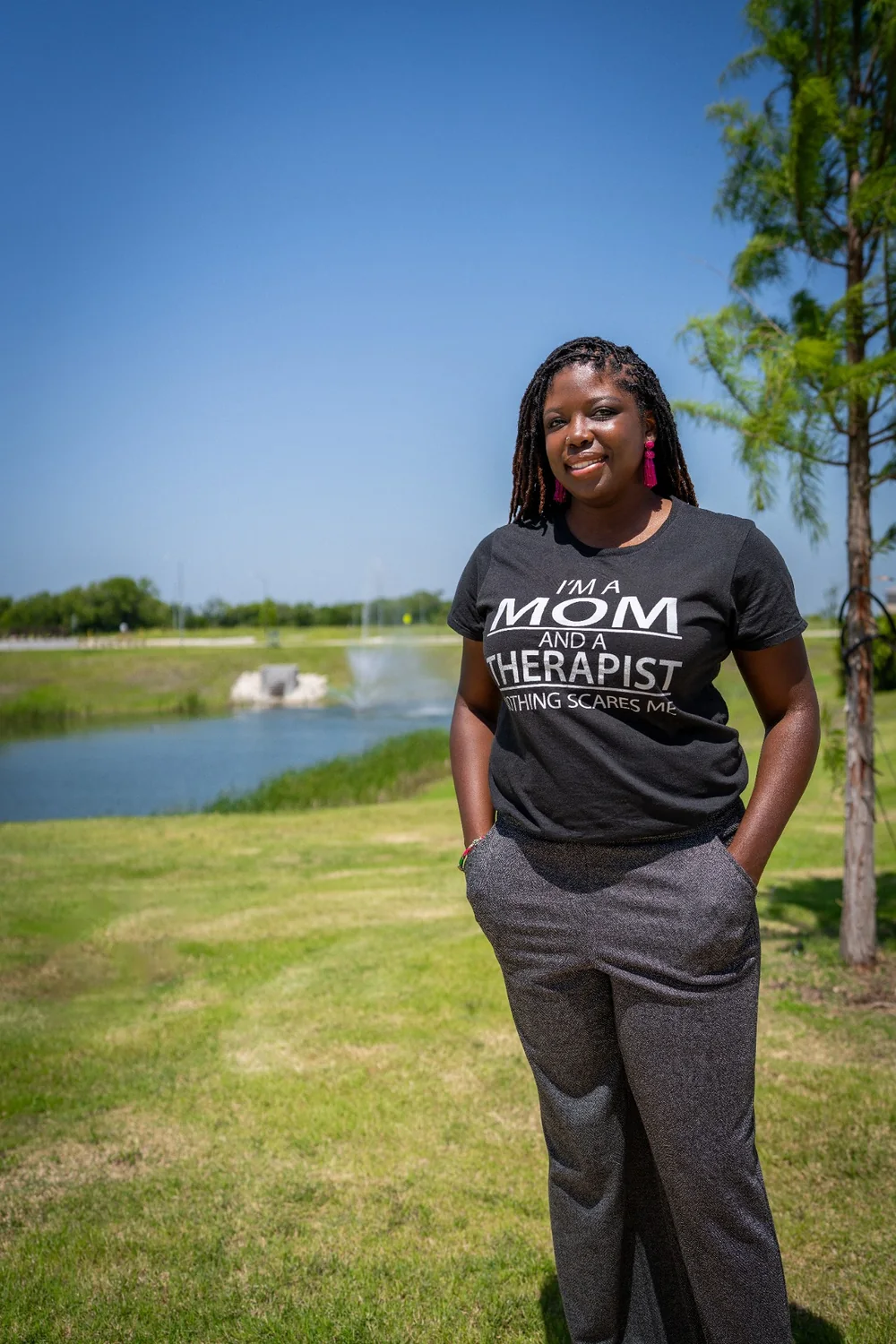
Support for the pressure beneath achievement and the transitions of motherhood.
Pregnancy & Postpartum · High Functioning Anxiety · High-Achieving African American Women · Grief & Loss · Trauma · Depression
Practicing under the supervision of Dr. Desiree L. Stephens, LPC-S.
 Teens & Adults
Affirming, accessible therapy in spoken English and fluent ASL.
LGBTQIA+ · Neurodivergent · Anxiety · ASL · Deaf & Hard of Hearing · Trauma · Depression · Relationships
Daytime, evening, and weekend availability
Practicing under the supervision of Dr. Bernadette H. Solórzano, PsyD, LPC-S.
Common Questions
A free consultation can help you ask questions, share what you are looking for, and consider whether one of our clinicians feels like a fit.
Book Free Consultation